
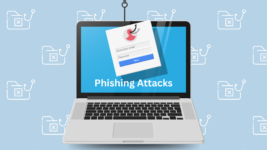
This year in 2023, email phishing attacks have taken a more dangerous turn, posing a significant threat to individuals and organizations. At Powersolution, we have dealt with it firsthand. Cybercriminals have become more clever and tricky, using advanced techniques to exploit unsuspecting victims. They’re capitalizing on global events and employing sophisticated social engineering tactics. As technology advances, it’s crucial to strengthen our defenses against email phishing, emphasizing the need for a collective effort to stay alert, informed, and equipped with the latest cybersecurity measures to counter these deceptive threats.
Keep in mind that cyber threats evolve rapidly, and new techniques may have emerged since then. Always stay updated on the latest cybersecurity news to be aware of current threats. Here are some common phishing tactics:
Business Email Compromise (BEC):
- BEC attacks involve compromising business email accounts to conduct fraudulent activities. Attackers might impersonate executives or high-ranking employees to request fund transfers, sensitive information, or unauthorized actions from employees.
Impersonation of Trusted Brands:
- Phishers frequently impersonate well-known brands, financial institutions, or government agencies. These emails may contain fake alerts, account notifications, or urgent requests for personal information, aiming to deceive recipients into divulging sensitive details.
Credential Harvesting Attacks:
- Phishing emails often mimic legitimate login pages to trick users into entering their credentials. These attacks aim to harvest usernames and passwords for various online accounts, such as email, banking, or social media.
Invoice and Payment Scams:
- Cybercriminals may send fake invoices or payment requests, appearing to be from legitimate vendors or service providers. Unsuspecting recipients who follow the provided payment instructions may end up transferring funds to fraudulent accounts.
Tax Season Scams:
- During tax season, phishing attacks may surge, with emails claiming to be from tax authorities, financial institutions, or tax software providers. These messages often request sensitive tax-related information or contain malicious attachments.
Malicious Attachments and Links:
- Phishing emails commonly include attachments or links that, when clicked, download malware onto the recipient’s device. These attachments may be disguised as invoices, receipts, or other seemingly harmless documents.
Social Engineering Tactics:
- Phishers use social engineering techniques to manipulate individuals into taking specific actions. This may involve exploiting emotions, creating a sense of urgency, or impersonating someone the recipient knows and trusts.
To stay protected, it’s crucial to remain cautious, verify the legitimacy of unexpected emails, and employ security best practices, such as using multi-factor authentication, keeping software up to date, and educating yourself and your team about evolving cyber threats. Always be wary of unsolicited emails, especially those requesting sensitive information or urgent actions.
For expert guidance, call us at 📞 201-493-1414 or email ✉️ [email protected].
For more technology trends and topics, follow our LinkedIn page! 🖥️
➡️ Check Out Our Business Testimonials!
How is your state of IT? Call Us: (201) 493-1414 with any questions.

